
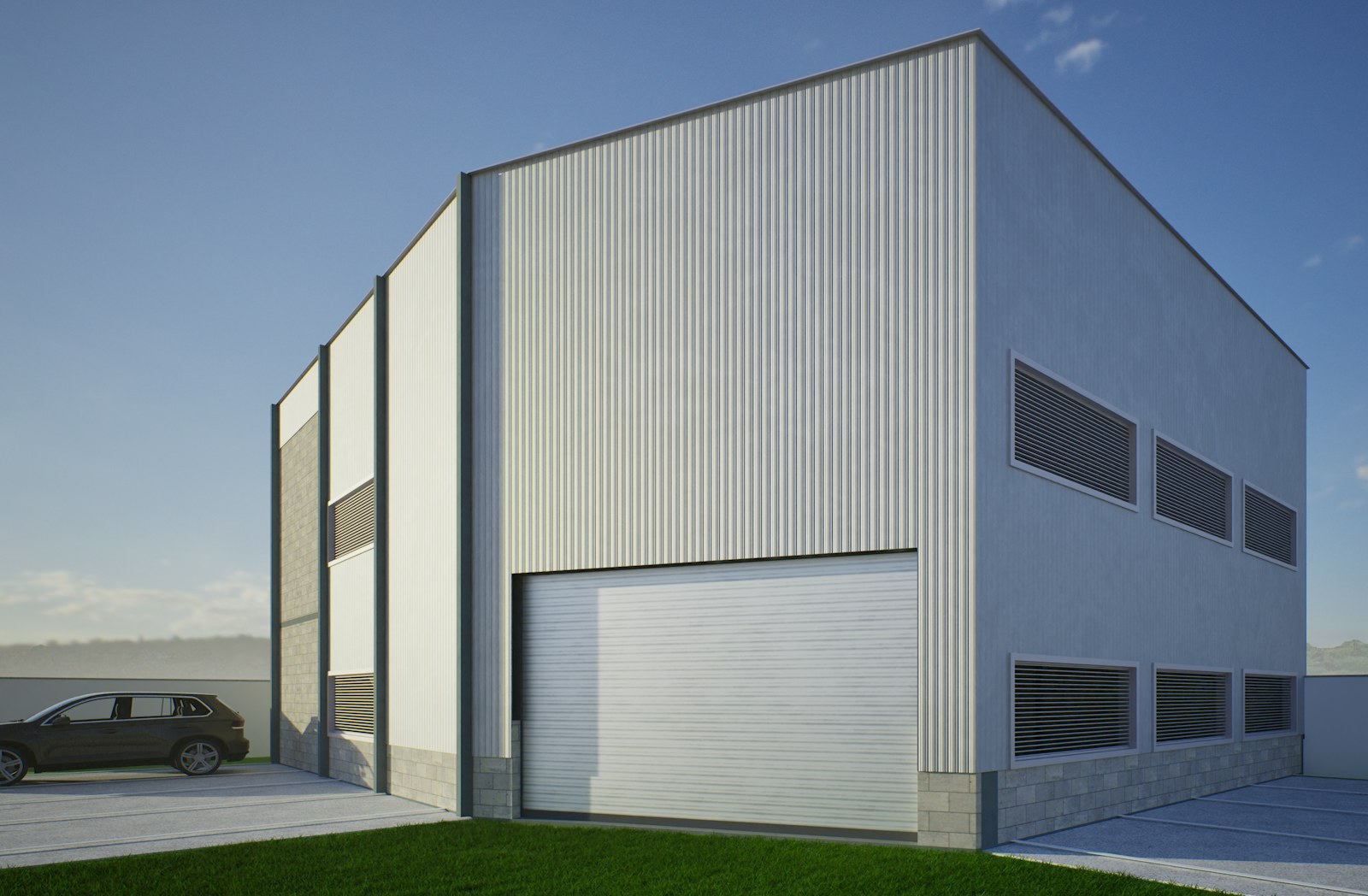
Industrial property is the collateral private lenders in Western Canada know best: shops, bays, warehouses and yards in Edmonton, Calgary, the Lower Mainland, Kelowna, Saskatoon and Winnipeg. It is functional, it leases, and it sells in a predictable market.
Why owner-occupiers are buying
Operators who have leased for a decade are buying their building, or a better one, before the next rent increase. The bank will often finance the purchase, but on the bank’s timeline. A private loan closes on the vendor’s date and is refinanced by the bank once the business is in and the statements are clean.
What we underwrite
- Location and access: proximity to highways, rail and the trade areas the tenant serves
- Functionality: ceiling height, door count, power, yard size and crane capacity
- Environmental history: a Phase I assessment is standard for industrial sites, and some uses require Phase II
- Income: lease terms and tenant quality for investment property; the operating business for owner-occupied
- Market: comparable sales and the depth of demand if the property had to be sold
Loan-to-value
Up to 75 per cent of appraised value on income-producing property with strong tenants, lower for specialized buildings or thin markets. Land with servicing in place is financed at lower ratios and shorter terms. Every file gets a current AACI appraisal and a title search at the provincial land titles office.
Have a situation like this? Tell us about the deal and a principal will respond within two business days. Cascade lends to businesses only, in Canadian dollars, and every rate we quote is an annual rate.
Sources
This article is general information about commercial lending in Canada, not legal, tax or financial advice. Laws and program rules change; confirm the current position with your lawyer or accountant before relying on it. Last reviewed October 2026.